Shop by Use
Shop Labels by Use
Start with what you’re labeling. We’ll help you narrow down the material, size and finish from there. Every category below covers the materials and finishes that actually come up for that product.
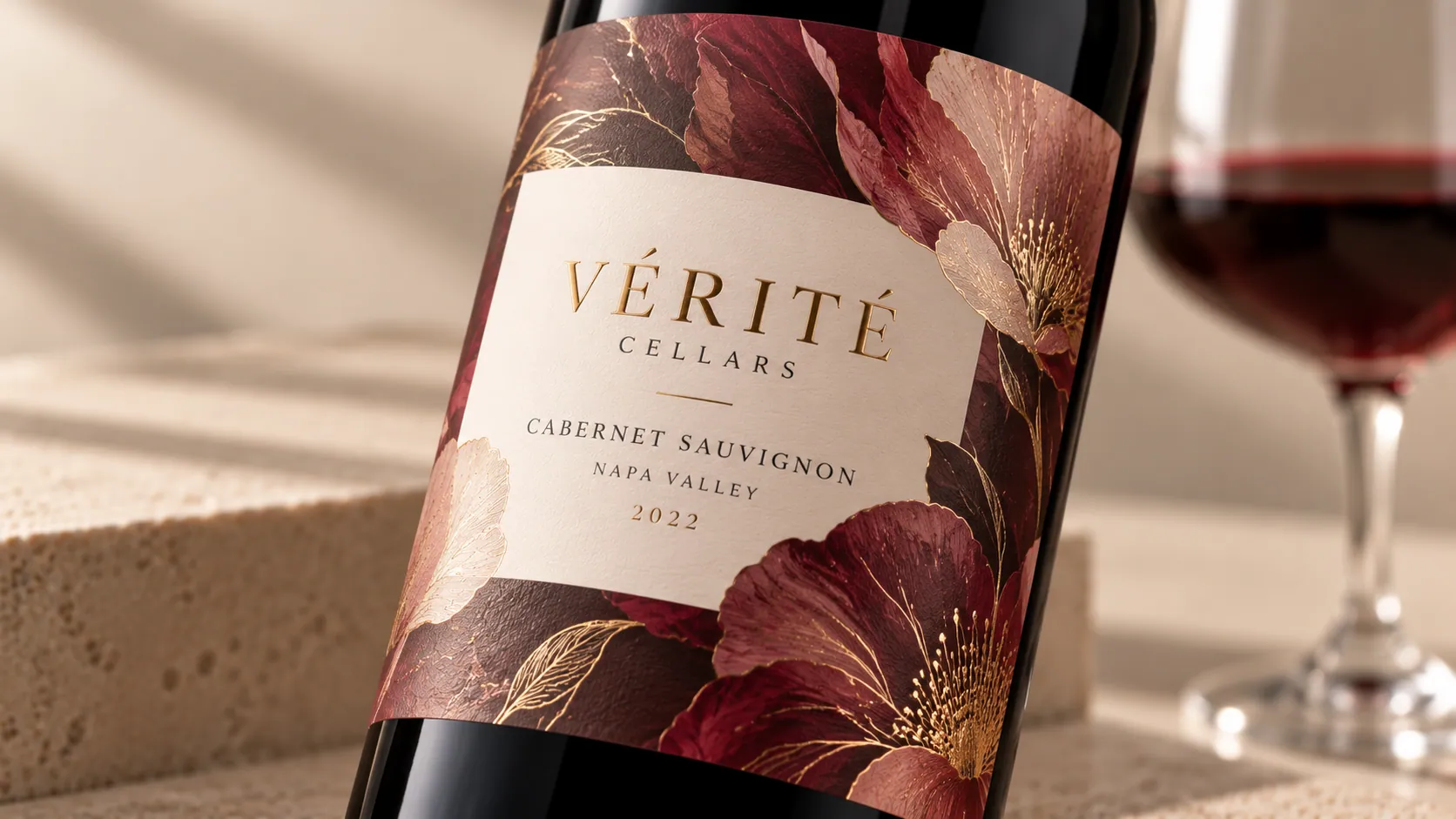
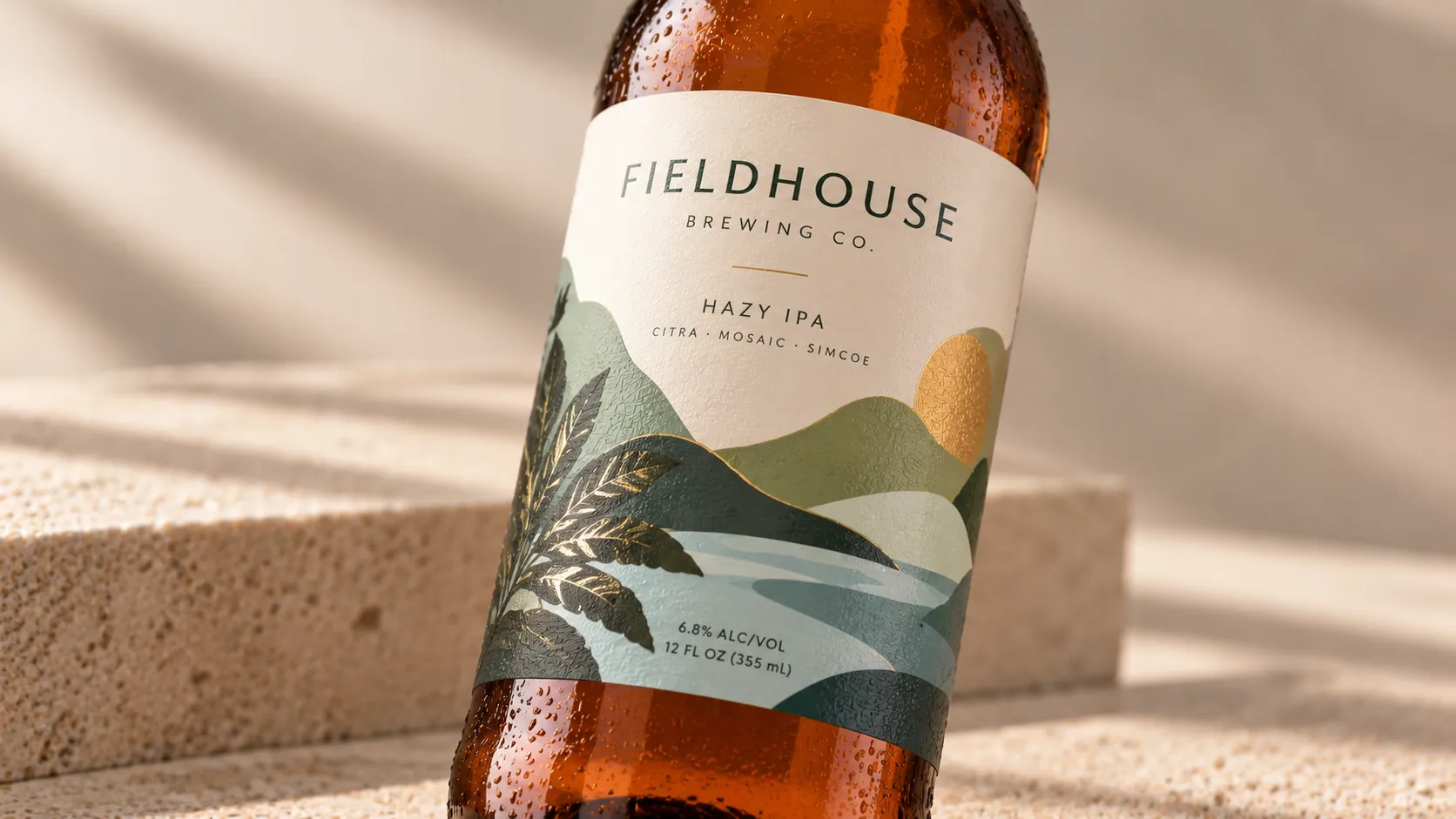
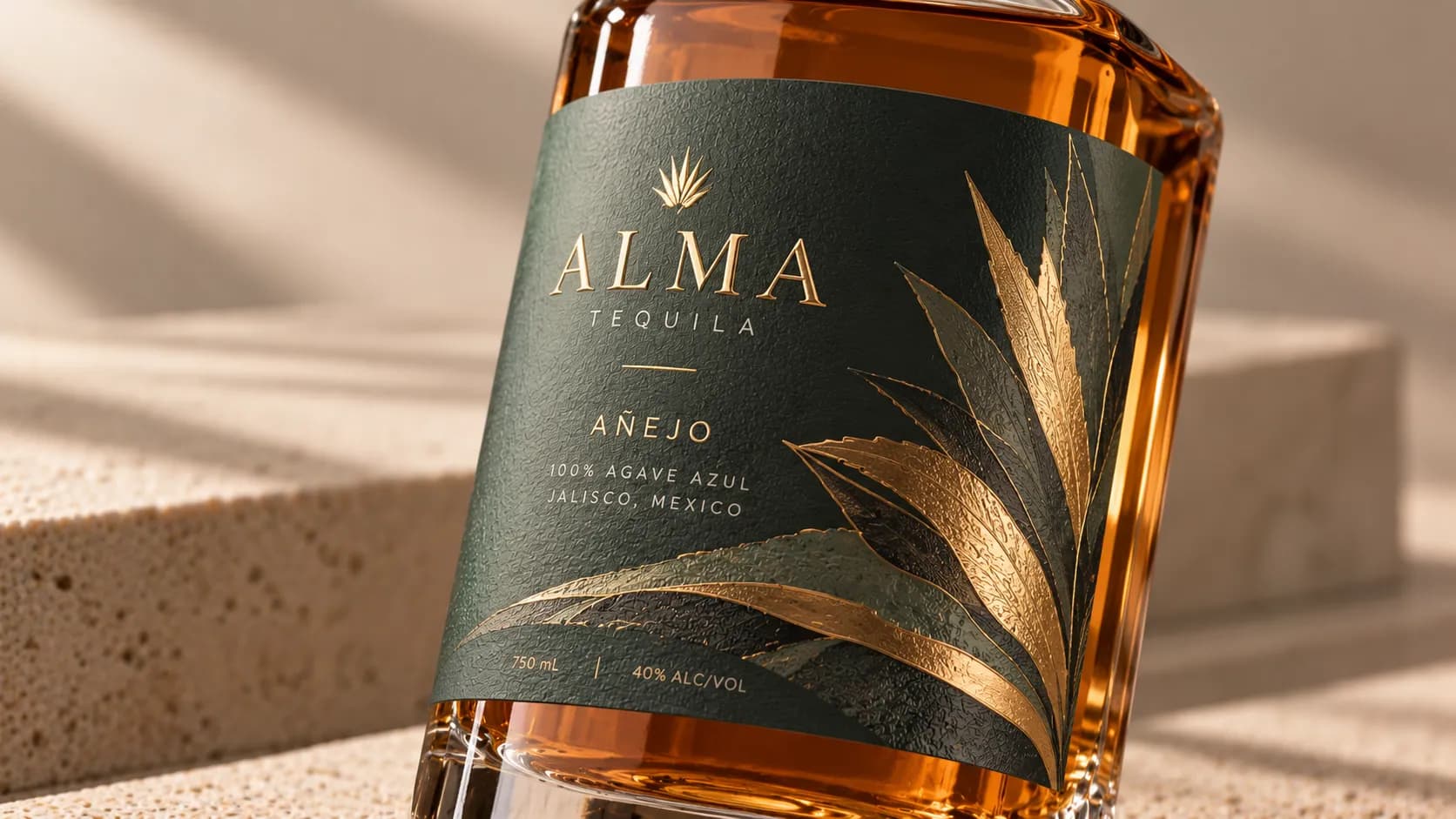
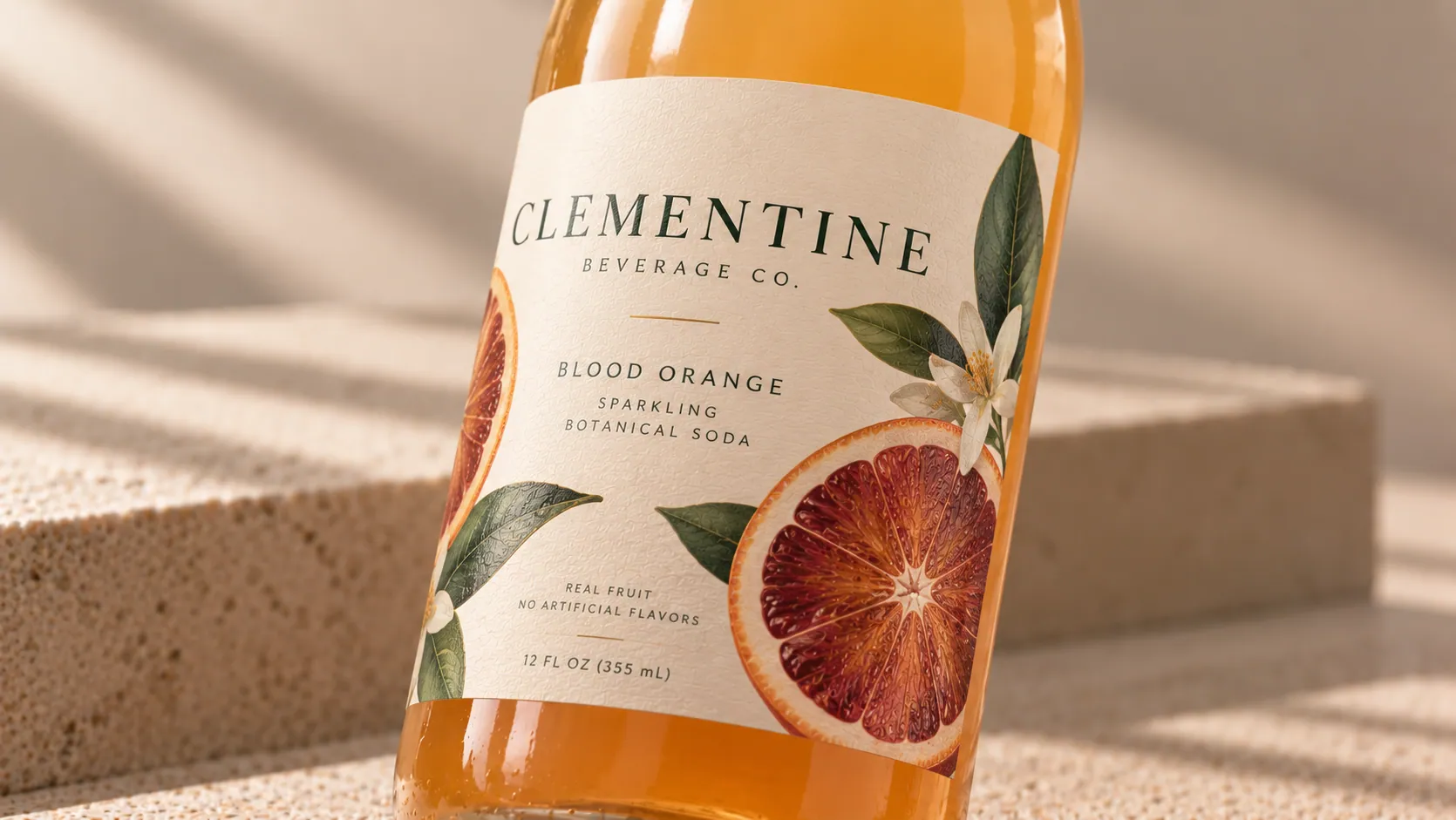
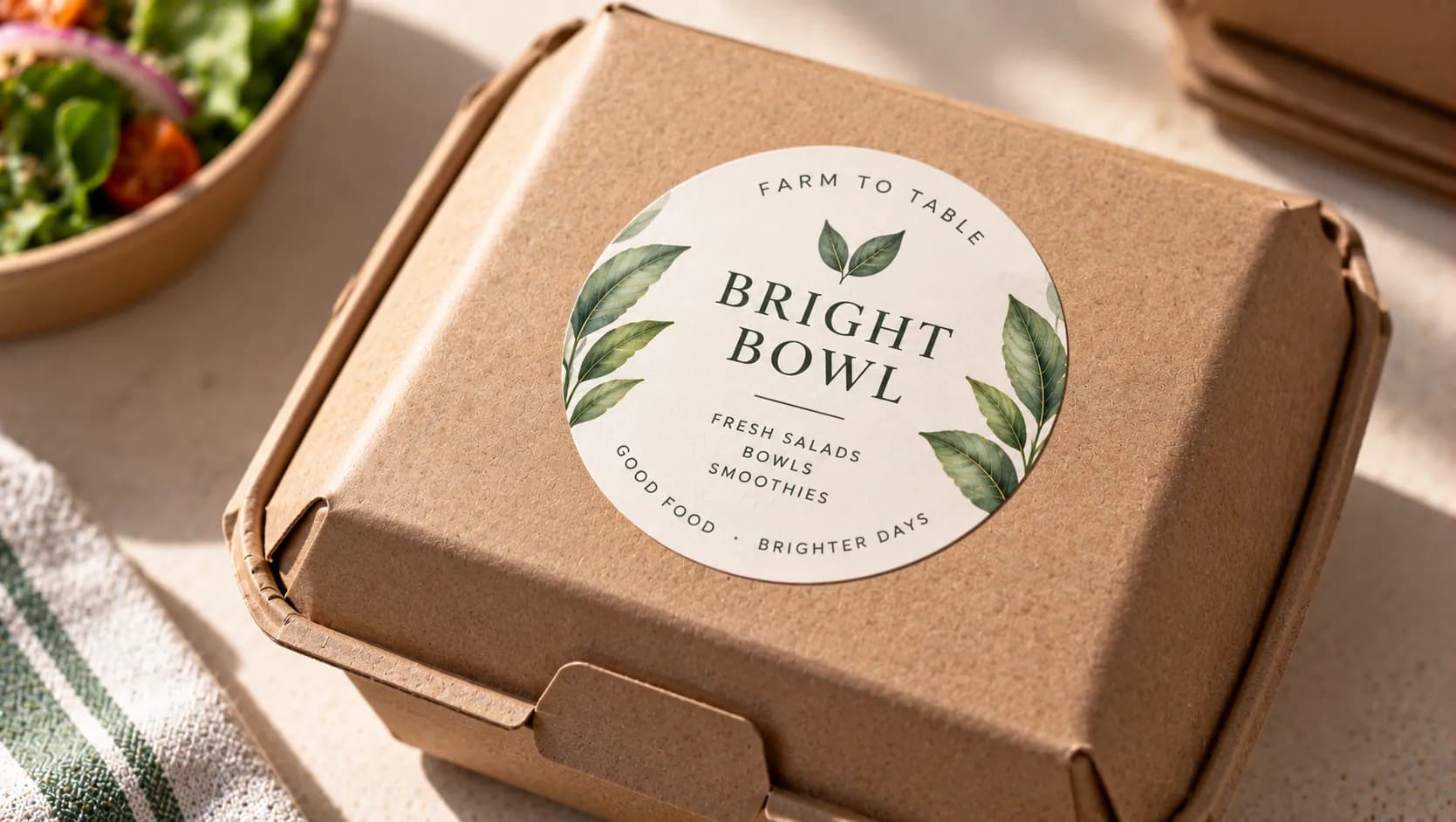
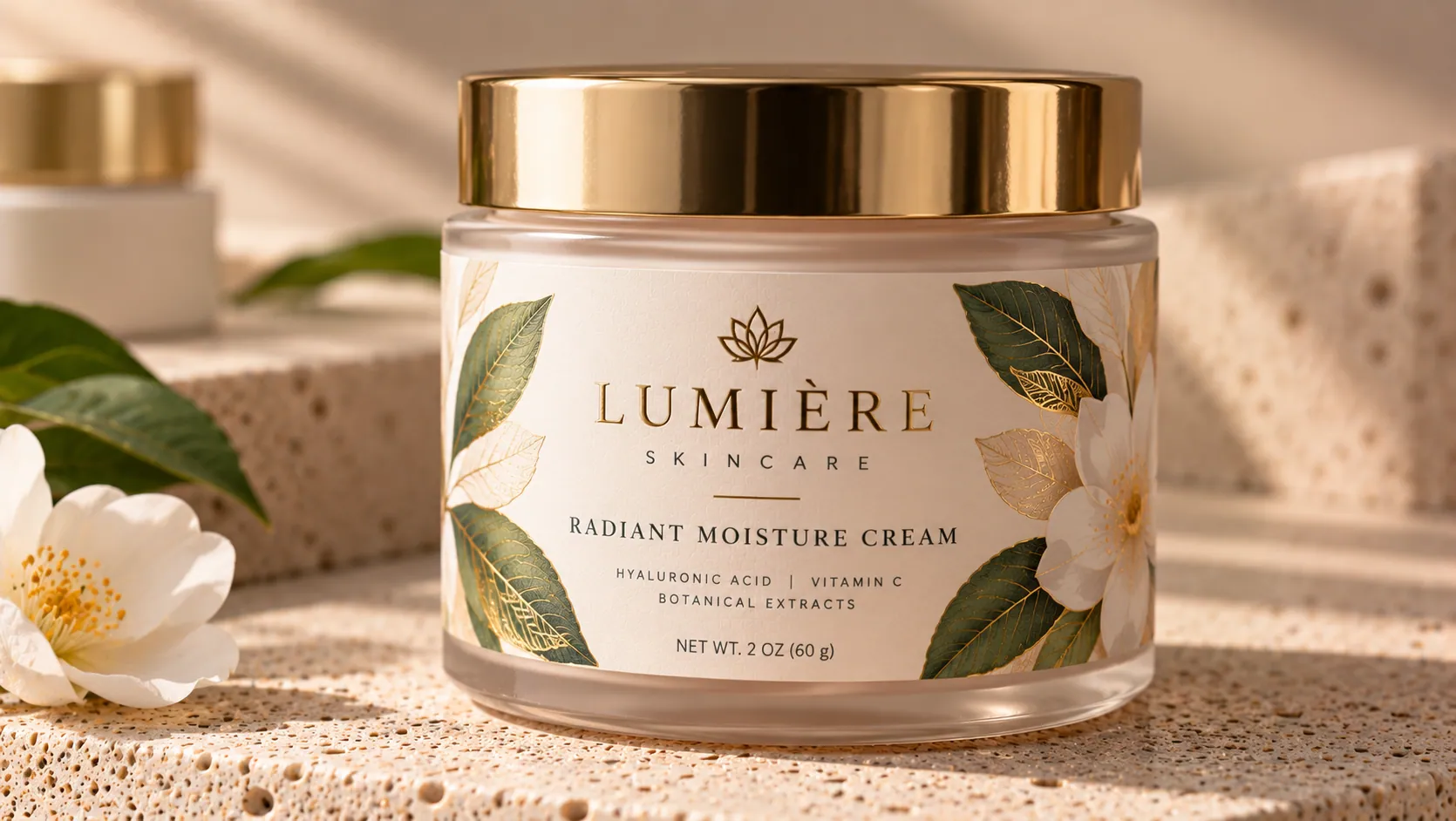
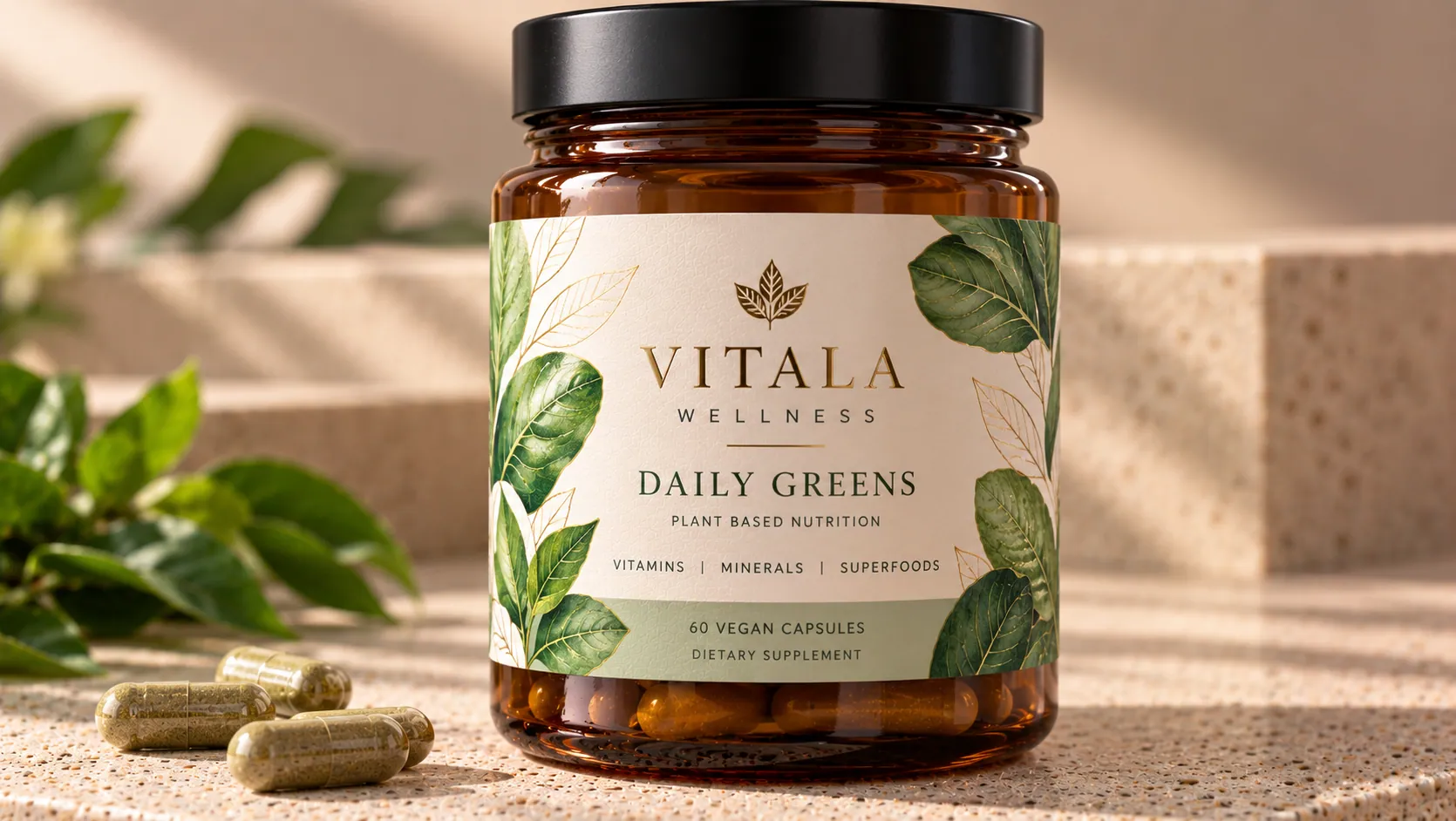
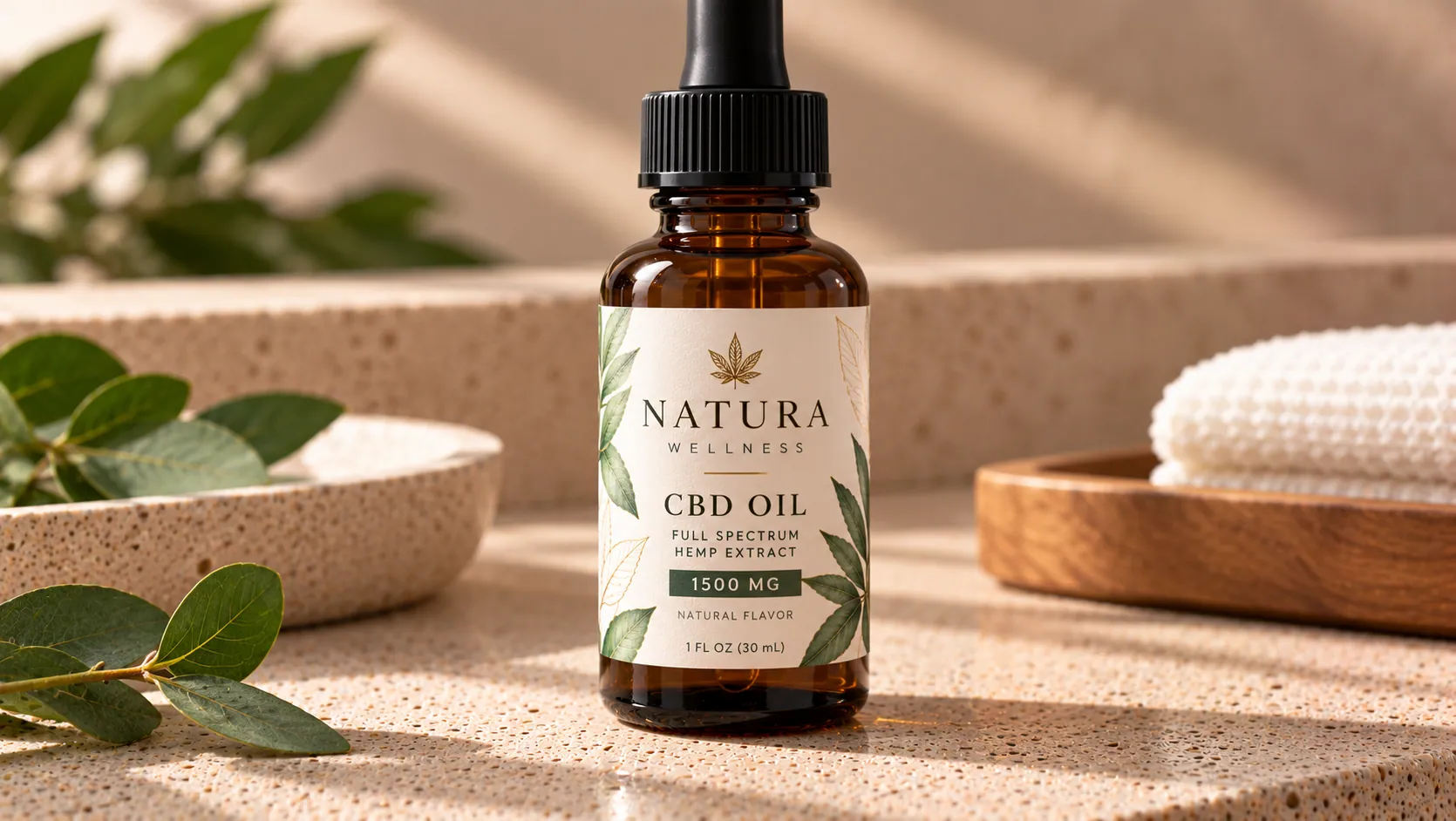
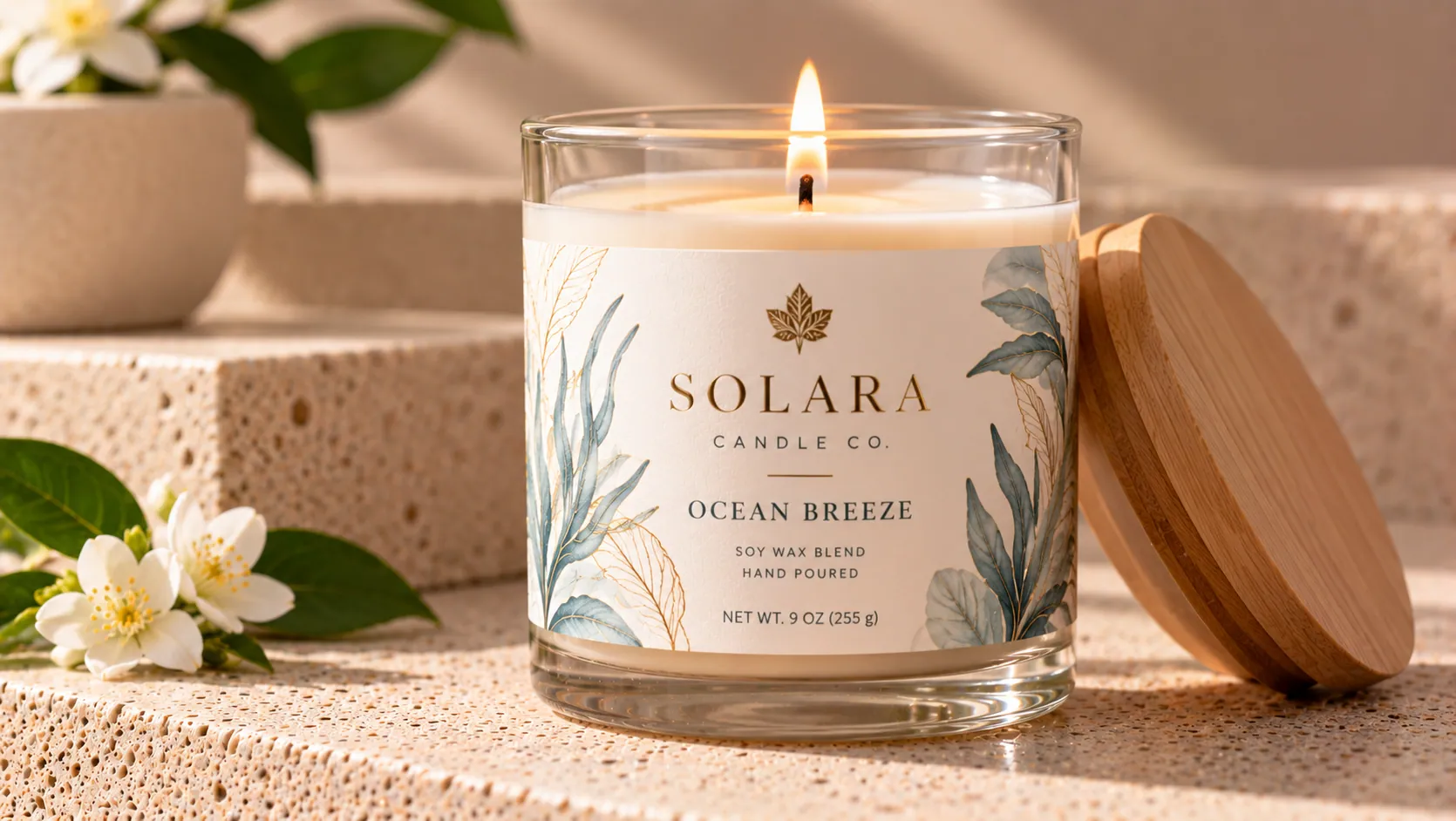
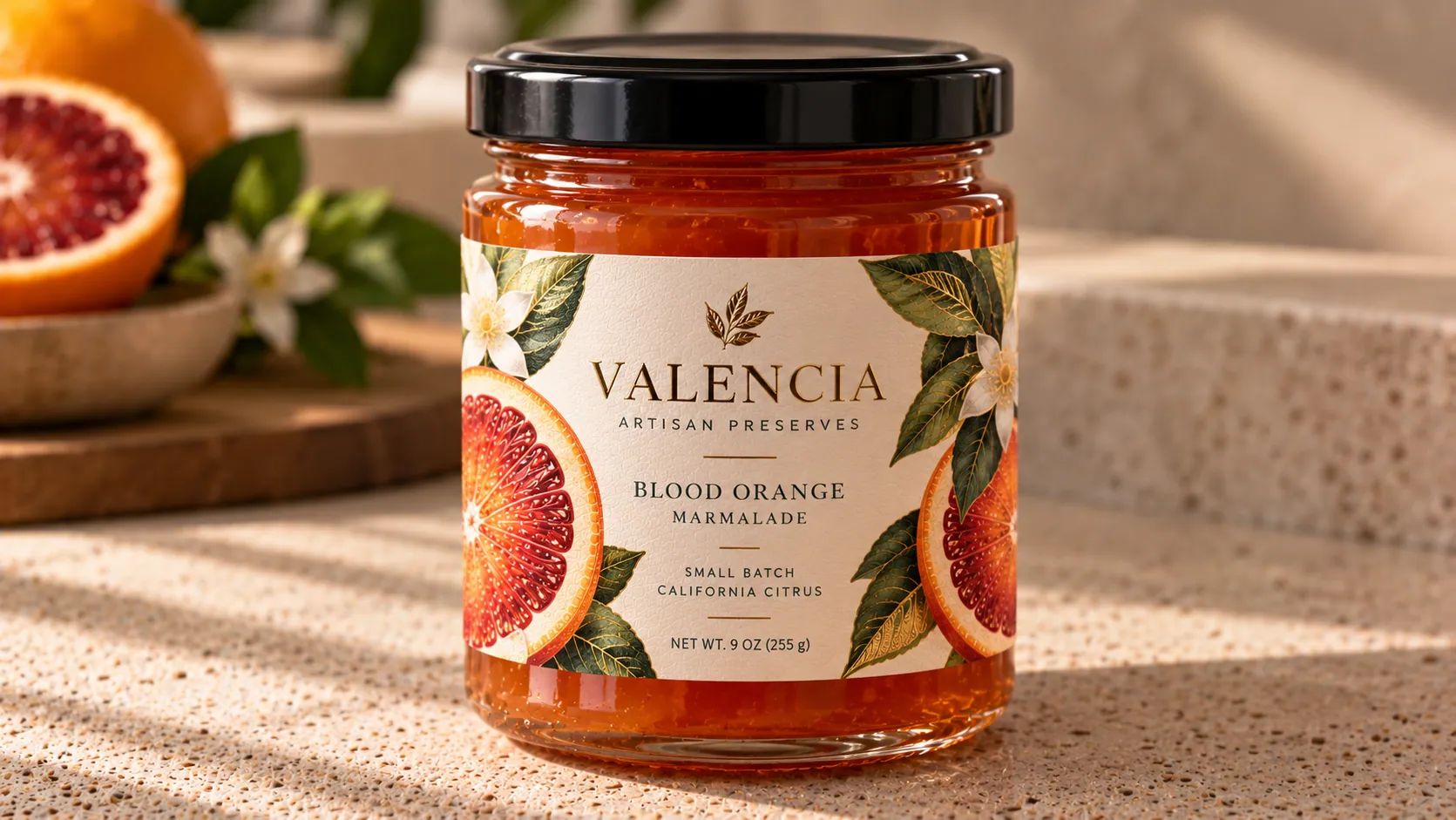
Find the right label for your product
The product itself is usually the best place to start. The container, surface, environment and look you want can all affect which material and finish make sense.
| Product / Use | What to consider | Materials to explore | Specialty options |
|---|---|---|---|
| Wine | Bottle shape, front and back labels, paper feel | Crystal Clear, Matte PVC, Semi-Gloss Paper, Kraft | Foil, Soft Touch |
| Beer | Bottle or can, cold storage | White PP, Crystal Clear | Foil, Spot UV |
| Spirits | Bottle shape, front and back label system | Gold Metallic, Silver Metallic, Crystal Clear, Matte PVC | Foil |
| Beverage | Container type, refrigeration | White PP, Crystal Clear, Matte PVC | Foil, Spot UV |
| Food | Container shape, package surface | Semi-Gloss Paper, White PP, Kraft | Foil (Semi-Gloss, White PP) |
| Cosmetics | Container size, pumps and droppers | Crystal Clear, White PP, Matte PVC, Gold & Silver Metallic | Foil, Spot UV, Soft Touch |
| Supplements | Label area, information density | Semi-Gloss Paper, White PP, Matte PVC | Foil, Spot UV |
| Cannabis | Container size, required information | White PP, Crystal Clear | Foil, Spot UV |
| Candles | Vessel shape, front and bottom labels | Kraft, Eggshell Felt White, White PP, Crystal Clear | Foil, Spot UV (White PP, Crystal Clear) |
| Packaging | Surface type, closure vs branding | Semi-Gloss Paper, Kraft, White PP | Foil (Semi-Gloss, White PP) |
What changes from one product to another?
A wine bottle, refrigerated drink and folding carton may all use pressure-sensitive labels, but they do not ask the same thing from the material.
Surface
Glass, plastic, paperboard, tins, pouches and other packaging surfaces can affect the starting material choice.
Environment
Think about where the product will actually be used or stored. Refrigeration, condensation, regular handling and dry indoor use can create different requirements.
Shape
Flat boxes and pouches behave differently from bottles, jars and other curved containers. Size and label shape should work with the package rather than fight it.
Presentation
Some products need a straightforward printed label. Others use the stock, texture, metallic surface or specialty finish as part of the packaging design.
Paper or synthetic?
They can look similar once printed, but they start with different base materials.
Paper
Paper stocks are useful when the paper surface itself is part of the look, from a familiar coated label to natural Kraft or textured Eggshell Felt.
Synthetic
Synthetic materials give you film based options including transparent, smooth white and lower-sheen white surfaces. White PP is polypropylene, commonly called White BOPP.
See how the material changes the product
The same artwork can feel very different depending on the material underneath it. Clear, white, paper, Kraft and metallic stocks each become part of the finished label.
Choosing labels by packaging type
Sometimes the package tells you more than the industry does.
| Packaging | What to think about | Where to start |
|---|---|---|
| Bottles | Surface, curve, label dimensions and storage environment. | Compare materials → |
| Jars | Container material, available label area and whether the product will see moisture or regular handling. | See Food Labels → |
| Cans | Curved surface, condensation and wraparound sizing. | See Beer Labels → |
| Tubes | Small surface area and tube curvature. | See Cosmetic Labels → |
| Pouches | Available flat area, label size and how the package flexes. | See Food Labels → |
| Boxes & Cartons | Branding labels, product identification and closure or seal applications. | See Packaging Labels → |
| Bags & Tissue | Branding and closure applications where a separate printed label becomes part of the packaging. | See Packaging Labels → |
The material and finish are different decisions
The material is the stock the label is printed on. The finish is something added to or applied over that material.
Materials
Finishes
- Gloss or Matte Lamination
- 2D Foil
- 3D Foil
- Spot UV
- Soft Touch
Not every finish works with every material. Check the calculator for the combinations currently available.
Want the label itself to create more of the look?
Sometimes the base stock or specialty treatment is intentionally part of the design, not just a surface the artwork sits on.
Metallic and holographic materials
The reflective or shifting effect is built into the material itself.
Finishes that add shine
These are applied to selected parts of a standard material rather than built into the base stock.
Looking for general product labels?
Not every product fits neatly into one category. If you’re labeling bottles, jars, containers or packaged products and just need a good place to start, use our Product Labels page.
Shop Labels by Use: frequently asked questions
Still not sure where to start?
Tell us what you’re labeling, what it’s going on and the look you’re after. We can help narrow it down.